And Don’t Delete It

Social Media and Mental Health
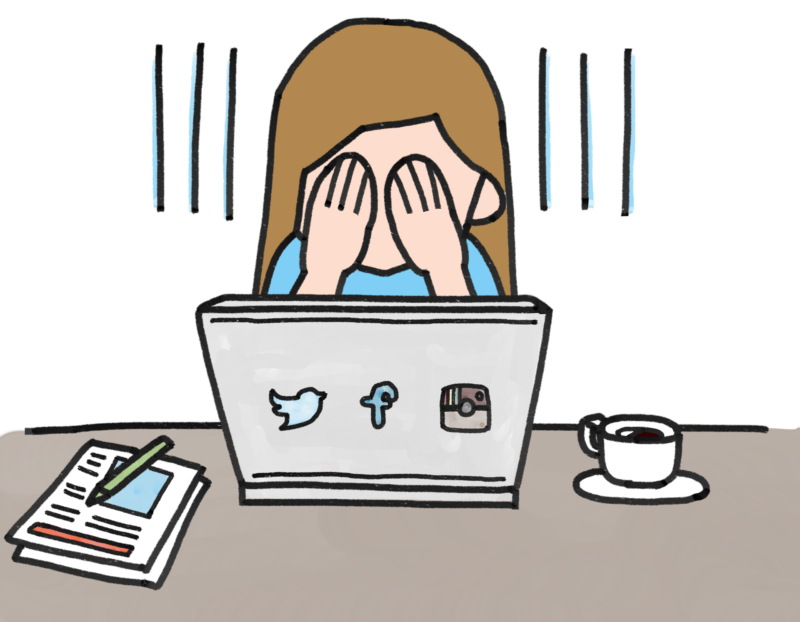
Ever since I first heard about Facebook, I was intrigued. I’m an early adopter, and I love to try new technologies. In The Netherlands, we had a social media site called Hyves. It’s no longer active, but it was similar in structure as Facebook is today. So when I heard of this new site that had a similar function, I immediately made a profile. It looked professional, clean, and it was a perfect place to interact with my international friends. I was hooked until I discovered the darker side, and specifically the effects it had on my mental health.
I Love It
In 2007, I had no clue about the potential dangers of social media. I shared everything. Going through my profile, I even see that I mentioned when I went to work and when I was at home. Only the thought of doing such a thing now abhors me, but okay. I shared pictures of my weekends away, and of the theatre productions, I was in. Yes, these were pictures of my face. Still, at least I made sure never to share my address or any identifiable images of my home.
Great Beginning
I had a good time on Facebook. I communicated with friends all over the world, I enjoyed seeing their pictures, being in the loop about their life events. I responded to a call on this network and joined a new theatre group. I found several shows by my favourite bands that I wouldn’t have seen without this network. This ranged from small markets in Germany to a festival in Belgium.
One other use I had for this network is that I could use it to keep track of my colleagues. Not in a stalkery kind of way, but as an additional information source on their whereabouts. I worked in retail where we were permanently understaffed. So if someone would call in sick for an evening, and then post pictures of her great night out the next day, I would know she had been lying, and I could show this to my manager.
Not That Great
However, during the same time at my retail job, my positive feelings began to decline. I noticed how I would spend every break at work scrolling through the same posts. This was before the current algorithm which mixes things up, but it would show you the most recent posts. It started to bug me that I would see the same posts time and again and I would mindlessly scroll through them during my coffee break, my lunch break and my tea break.
Envy
Next to that, a few years later, I began to notice feeling sad after scrolling my Facebook timeline. I was still working in retail, I had quit university. Online, I would see my friends from university receive their Bachelor degrees, write a Master’s thesis, and join a PhD-program. Others would get married, have children, move to big houses. And I stood still.
I distinctly noticed feeling down after seeing their happy messages. Apparently, I’m not the only one who feels this way. As described here, even scientists have found this phenomenon.
Still Hooked
I didn’t delete my personal Facebook. It’s still out there, under my real name. Once a month, or so, I log in and see what I missed. Now that I know what it does to my mental health, I limit the time I spend on that platform. I grant myself ten minutes and force myself to leave after that time.
Downsides
I miss out on things. The book club I attend once a month communicates only via Facebook and WhatsApp. It’s easy to miss notifications regarding the next meeting.
Through Facebook, I had found a publisher of Dark Romance who sought volunteers. I applied and was accepted. I was supposed to beta-read for them and to help them market dark romance novels. I had actually been excited about this. There was one downside I only discovered after I was accepted: all their communications go through Facebook. When a new book is ready, and they need beta-readers, they post it on Facebook. When they need readers to review a new book, they post in on Facebook. And when I log in once a month, all the positions are already taken. I was, and still am, quite disappointed by this. I would have loved to do beta-reading and reviewing for them, but then again: who bases his entire marketing plan around Facebook in 2019?
No Big Loss
I don’t miss Facebook in my life. I don’t delete my account, because it’s the only way I can keep in touch with some of my family members. I’m not going to use it in full ever again. I’m not switching to Instagram either. The level of fakeness is a thousand times worse there than it ever was on Facebook. And Facebook isn’t sex-positive. That’s why I do nothing with my Liz Black Facebook account. Yes, it exists, and you’re welcome to take a look around, but I’m not pushing my work or my blog there since I can’t post anything even distantly related to sex. So yeah, in my profession that’s worthless.
Twitter, For Now
For now, I’m gonna stick to Twitter. I don’t talk much, because I’m not good at catchy one-liners and I often don’t know what to say. I’m hesitant to show pictures from around the house. So I just share my blog posts there, I retweet other people’s work, and I retweet the occasional tweet from an artist or TV-show. And I’m sure pretty soon Twitter is going to block all sexual content too, which means I’ll leave that platform as well. And what then?
Probably no Social Media at all for a while, until a new service shows up. I wouldn’t even be sorry. All the hours I spend browsing Twitter, Reddit and Fetlife could be spent reading a book, or something similarly constructive. And in general, reading a book doesn’t make me half as depressed as reading these social media. If only they weren’t so damned addictive.
 LBRY, Minds and Mewe: Social Media Without Censorship
 Looking Back: What I Learned From My Past
 Social Anxiety: Muted Phone and Crushed Petals